Jane Dobbins Green was an American woman whose life connected small-town beginnings, Hollywood’s busy environment, and the world of McDonald’s through her marriage to businessman Ray Kroc. Although she is often remembered only as Kroc’s second wife, her own story includes meaningful experiences—such as working as secretary to actor John Wayne—and navigating life quietly in the background of major cultural moments.
Her life is rarely talked about, and many parts of her story remain overlooked, even though she lived through nearly a century of social change. This article explores her early years, career, marriage to Ray Kroc, private life after their divorce, and the legacy she left behind.
Quick Bio: Jane Dobbins Green
| Personal Details | Information |
|---|---|
| Full Name | Jane Dobbins Green |
| Date of Birth | November 22, 1911 |
| Place of Birth | Walla Walla, Washington, USA |
| Parents | Warren David Dobbins & Grace Myrtle Duncan Frechette |
| Ethnicity | White American |
| Occupation | Secretary (worked for actor John Wayne) |
| Marriages | Ray Kroc (1963–1968), Paul D. Whitney (married in 1984) |
| Children | None |
| Date of Death | August 7, 2000 |
| Place of Death | Los Angeles, California, USA |
| Burial Place | Westwood Memorial Park, Los Angeles |
Early Life and Background
Jane Dobbins Green was born on November 22, 1911, in Walla Walla, Washington, where she grew up in a quiet, small-town environment with her parents, Warren David Dobbins and Grace Myrtle Duncan Frechette. Her childhood was shaped by traditional family values, limited resources, and the simple lifestyle common in early 20th-century American communities.
As a young girl in the 1910s and 1920s, Jane lived during major national changes that affected everyday life, including World War I, the rise of modern culture in the Roaring Twenties, and the economic hardships of the Great Depression. These national events influenced how young women were expected to live, behave, and plan their futures.
Although detailed records of her schooling are not available, it is likely that she attended local schools, where education focused on discipline and practical skills. Her early years were quiet and far removed from the glamorous world she would later experience in Hollywood. This contrast—from a modest upbringing to the busy world of entertainment—became one of the unique aspects of her life story.
Historical Context of Her Era
Jane grew up during a period when the world was rapidly changing. World War I reshaped global politics, and the Roaring Twenties introduced new music, fashion, social freedoms, and economic growth. Soon after, the Great Depression brought widespread unemployment and financial hardship, which affected almost every American family. Young women in these decades faced both new opportunities and old restrictions. While women gained the right to vote in 1920, many were still expected to follow traditional roles, work limited jobs, and prioritize family responsibilities. These mixed conditions shaped the environment Jane lived in, influencing the values, expectations, and choices she carried into adulthood.
Age and Life Span
Jane Dobbins Green lived from November 22, 1911, to August 7, 2000, reaching the age of 88. Her long life allowed her to witness nearly an entire century of cultural and technological transformation. She saw the development of early Hollywood, the growth of radio and television, dramatic shifts in women’s rights, and the rise of global corporations like McDonald’s. She also lived through significant American moments such as World War II, the Civil Rights Movement, and the rapid expansion of modern entertainment. Her lifespan reflects a woman who watched the world change around her, even though she chose to stay private and avoid the spotlight.
Physical Appearance and Public Image
Very little information exists about Jane’s physical appearance because she lived most of her life outside the public eye. Unlike many Hollywood personalities of her time, she did not seek fame or public attention, and only a few rare photographs of her are known. Her private nature meant that she was rarely discussed in the media, and she never became a public figure in her own right. As a result, people mainly remember her through the roles she played in the lives of others—such as her work in Hollywood offices and her marriage to Ray Kroc—rather than through her appearance or public reputation.
Career and Social Life Before Marriage
Before marrying Ray Kroc, Jane worked as the secretary to legendary Hollywood actor John Wayne. This job placed her in the center of the film industry during one of its most influential eras. As Wayne’s secretary, she handled communications, schedules, documents, and the daily pressures of supporting a major actor’s career. Her position exposed her to producers, filmmakers, actors, and social events, giving her a firsthand look at Hollywood’s busy and glamorous environment. Secretaries in Hollywood were expected to be organized, calm, discreet, and confident—skills Jane seemed to develop naturally. Her work experience likely helped shape her strong, composed personality, which later supported her through the emotional and social challenges of being married to a famous businessman.
Hollywood in the Mid-20th Century
During the height of the Hollywood studio era, the film industry was a world filled with strict schedules, powerful studios, influential actors, and glamorous events. Working closely with a celebrity like John Wayne was a respected and demanding role, as it required trust, professionalism, and the ability to handle sensitive information. Secretaries were often the unseen power behind successful stars, ensuring everything ran smoothly. Jane’s involvement in this environment explains how she became comfortable around influential people while still maintaining her preference for privacy and simplicity.
Meeting Ray Kroc: The Beginning of a New Chapter
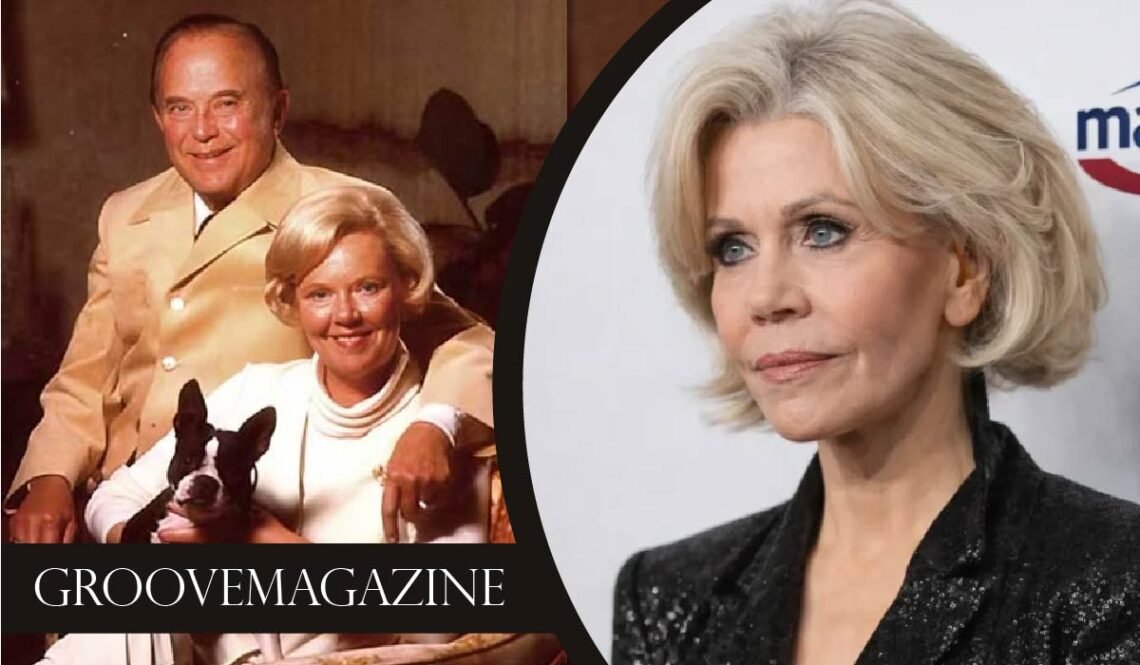
Jane and Ray Kroc met during a time when Ray was dealing with personal and emotional challenges, including the end of his first marriage. Jane’s calm personality and Hollywood experience balanced Ray’s energetic, ambitious nature. Their early relationship dynamics reflected two very different worlds coming together—Ray’s fast-growing business empire and Jane’s quiet stability. At the time, Ray was already deeply involved in the national expansion of McDonald’s, which brought both success and personal stress. Jane’s presence offered him emotional support, and their connection soon grew into marriage.
Marriage to Ray Kroc (1963–1968)
Jane married Ray Kroc in 1963, entering a world shaped by fame, business growth, and public interest. In the early years of their marriage, she supported Ray during the rapid expansion of McDonald’s, often standing quietly behind his busy schedule and demanding work life. However, their marriage faced emotional difficulties. Ray was intensely focused on his business and later grew close to Joan Smith, who eventually became his third wife. This emotional shift created strain between Ray and Jane, making the marriage increasingly challenging. Their relationship ended in divorce in 1968. Although Jane rarely spoke publicly about this chapter of her life, the events highlight the pressure placed on personal relationships when one partner becomes a major public figure.
Ray Kroc’s Business Environment During Their Marriage
During Jane’s marriage to Ray, McDonald’s was exploding into a worldwide brand. Ray’s days were filled with travel, meetings, franchise planning, and public appearances. Managing such a fast-growing company brought both stress and public attention, which often affected his personal life. Fame and business pressure made it difficult for Ray to balance work and relationships, and this imbalance contributed to the challenges Jane faced during their marriage.
Jane Dobbins Green Life After Divorce
After her divorce from Ray Kroc, Jane chose to withdraw from public attention and build a quieter, more private life. She avoided media interviews, public events, and any involvement in Ray’s world of business. In 1984, she married Paul D. Whitney, beginning a new chapter defined by peace and personal independence. She lived in Los Angeles, where her earlier Hollywood experiences had already made the city familiar to her. Friends and acquaintances described her as calm, polite, and self-sufficient—traits that matched her decision to live privately and independently for the rest of her life.
Death and Burial
Jane Dobbins Green passed away on August 7, 2000, in Los Angeles, California, at the age of 88. She was buried at Westwood Memorial Park, a cemetery known for being the resting place of many famous Hollywood figures. This location connects her final chapter to the entertainment world that once shaped part of her earlier life. Many notable individuals, including actors, musicians, and public figures, are buried there, making it a place of cultural and historical interest.
Legacy and How She Is Remembered
Jane Dobbins Green is often overlooked in stories about Ray Kroc because she lived quietly and did not seek the spotlight. Her absence from the 2016 film “The Founder,” which tells Ray Kroc’s story, shows how easily she has been forgotten in popular culture. Limited documentation about her life has led to confusion, including a common mistake that mixes her up with novelist Jane Green. Despite these misunderstandings, Jane’s life is important for understanding Ray Kroc’s personal story and the emotional challenges he faced while building a global empire. Her life also represents the often-unseen women who supported powerful men while maintaining their own quiet strength and independence.
Common Confusions and Misconceptions
A frequent misconception is the belief that Jane Dobbins Green is the same person as author Jane Green, which is incorrect. This confusion comes from their similar names and the limited information available about Jane’s life. Because she stayed private and rarely appeared in public records or media, it became easier for people to make mistaken assumptions about her identity. Her story reminds us how easily history can overlook individuals who lived outside the spotlight.
Jane Dobbins Green Net Worth and Financial Status
There is no verified information about Jane Dobbins Green’s net worth, largely because she lived a quiet life and did not publicly share financial details. Women connected to powerful men in the mid-20th century often had their financial history overshadowed or unrecorded, especially if they were not public figures themselves. In contrast, Ray Kroc’s wealth became widely known due to the success of McDonald’s. Jane chose a simpler, more private lifestyle, which makes it difficult to measure her financial status in comparison.
Jane Dobbins Green: Interesting Lesser-Known Facts
Jane’s life included several interesting aspects that are often forgotten. She worked closely with John Wayne, giving her a rare insider view of Hollywood during its golden years. After her divorce from Ray Kroc, she lived quietly and avoided the fame that surrounded her former husband. She was skilled at managing social environments in Hollywood despite preferring a low-profile life. Her burial at Westwood Memorial Park connects her story to Hollywood history, reflecting how her life blended privacy with moments of cultural significance.
Conclusion
Jane Dobbins Green’s life was much more than her role as Ray Kroc’s second wife. She experienced a unique journey from a small-town upbringing to the center of Hollywood and later to the world linked to one of America’s biggest business empires. Through each chapter, she showed resilience, independence, and dignity, choosing privacy over fame and personal peace over public attention. Her story deserves recognition not only for the relationships she was part of but also for the quiet strength she carried throughout her nearly nine decades of life.
(FAQs)
1. Who was Jane Dobbins Green?
Jane Dobbins Green was an American woman best known as the second wife of Ray Kroc, the businessman who expanded McDonald’s worldwide. She also worked as John Wayne’s secretary during Hollywood’s golden age. Though connected to famous figures, she lived most of her life privately and away from the spotlight.
2. What was Jane Dobbins Green’s early background?
She was born on November 22, 1911, in Walla Walla, Washington, and grew up in a small-town family setting. Her early life was shaped by major national events like World War I, the Roaring Twenties, and the Great Depression. These experiences influenced her values and the calm, steady personality she was known for later in life.
3. Why is Jane Dobbins Green often overlooked in Ray Kroc’s story?
Jane chose to stay private and rarely appeared in public, making her less visible in historical accounts. She was not included in the film “The Founder,” which focused mainly on Ray’s third wife, Joan Kroc. Because of limited documentation, many details of her life were overshadowed by Ray’s fame.
4. Did Jane Dobbins Green have any children?
No, Jane did not have children during her marriage to Ray Kroc or in her later marriage to Paul D. Whitney. She kept her personal life extremely private, so little is known about her family life outside her marriages. Her story is mostly understood through public records and her connection to well-known figures.
5. What did Jane Dobbins Green do after her divorce from Ray Kroc?
After their divorce in 1968, Jane stepped away from public attention and avoided involvement in the McDonald’s world. She remarried in 1984 to Paul D. Whitney and lived a quiet, independent life in Los Angeles. Her later years reflected her desire for peace, privacy, and personal freedom.
Read More: Meet Solica Casuto: Where Is Andy Griffith’s Second Wife Now?
For More Information Visit Groovemagazine.co.uk