Harlene Rosen is best known as the first wife of filmmaker Woody Allen, but her life story is far more meaningful than that single connection. Born in 1939, she grew up with a love for music and became a skilled pianist long before entering the public eye. Her marriage to Woody Allen brought sudden attention, emotional challenges, and later a very public legal battle after he used jokes about her in his comedy routines. After their divorce, she chose a quiet, private life, stepping away from fame to protect her peace and dignity. Her story matters because it shows the personal cost of public scrutiny and highlights her strength, resilience, and determination to define her own identity beyond a famous marriage.
Quick Bio
| Attribute | Details |
|---|---|
| Full Name | Harlene Rosen |
| Famous As | First wife of Woody Allen |
| Date of Birth | November 30, 1939 |
| Age | 84 (as of 2024) |
| Place of Birth | United States |
| Parents | Julian Rosen (father), Judith Rosen (mother) |
| Nationality | American |
| Ethnicity | White |
| Gender | Female |
| Zodiac Sign | Sagittarius |
| Profession | Pianist |
| Known For | Marriage and legal dispute with Woody Allen |
| Spouse | Woody Allen (m. 1956–1962) |
| Children | None publicly known |
| Hair Color | Blonde |
| Eye Color | Brown |
| Sexuality | Straight |
| Net Worth | Not publicly known |
| Current Status | Living a private, low-profile life |
Early Life and Background of Harlene Rosen
Harlene Rosen was born in 1939 in the United States to her parents, Julian and Judith Rosen, who raised her in a stable and nurturing environment. She grew up during the 1940s and 1950s, a time when American families valued privacy, modesty, and traditional roles, which shaped much of her early personality. People who knew her described her as a bright and thoughtful young woman with a gentle nature and a strong interest in the arts. Before fame ever touched her life, Harlene lived very quietly, focusing on her personal growth and her love for music, especially the piano.
Her passion for piano became one of the most defining parts of her youth, giving her a sense of purpose and creativity. Very little is publicly known about her early life because she was not a public figure, and her family lived privately, making no effort to seek attention. This natural privacy helped her grow up away from public scrutiny and allowed her to build her identity before becoming linked to a famous entertainer.
During her childhood, Harlene developed a quiet and thoughtful temperament that stayed with her throughout her life. She showed an early artistic leaning, spending much of her time practicing piano and exploring music. Her family supported her creative interests and encouraged her calm, reflective nature. These early experiences helped her form emotional maturity at a young age and shaped her preference for a private, peaceful life, even when later faced with public attention.
Meeting Woody Allen
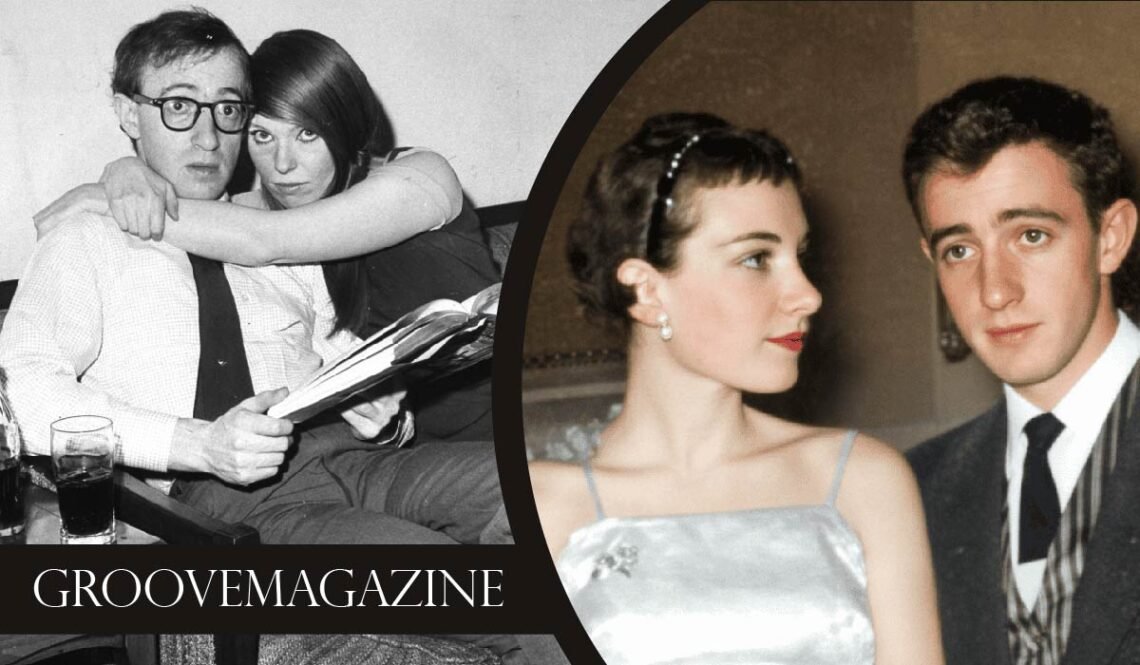
Harlene Rosen met Allen Stewart Konigsberg, later known as Woody Allen, when she was still a teenager, and their meeting changed the course of her life. The 1950s were a time when young artists and comedians were beginning to rise, and Woody was one of those ambitious young entertainers trying to find his place in the creative world. Their relationship grew quickly, driven by youth, emotion, and shared creative interests. Despite their young age, they felt strongly connected and decided to marry, believing they could build a life together while both pursuing their dreams. Their fast-moving relationship reflected the world they lived in—full of excitement, ambition, and new beginnings.
Harlene and Woody married in a small private ceremony in 1956, keeping the event intimate and simple. After marriage, Harlene supported Woody as he began his writing and stand-up comedy career, offering stability during a time of uncertainty. She also played piano in his jazz band, combining her artistic talent with his growing career. Their early years were marked by financial challenges, the pressures of creative work, and the realities of being very young in a demanding world. These pressures shaped the direction of their marriage and set the stage for the difficulties they later faced.
Who Is Woody Allen?
Woody Allen, born in 1935, is an American filmmaker, writer, comedian, and actor known for his sharp humor and introspective storytelling. He began his career as a comedy writer before becoming a successful stand-up performer and later a famous film director. His movies often explore themes like love, anxiety, and complicated relationships, earning him international recognition and many awards. However, his personal life has also been filled with controversy, which has influenced how the public views him. Understanding his personality, creative style, and public image provides important context for the challenges Harlene faced during and after their marriage.
Marital Challenges, Emotional Strain, and Growing Distance
As Woody Allen’s career began to rise, the pressure of public life created emotional strain within the marriage. Harlene, who valued privacy, found herself drawn into a world she never sought. Woody’s work required constant attention, travel, and long hours, which slowly created emotional distance between them. One of the most painful aspects for Harlene was Woody’s habit of using personal stories about her in his comedy routines. These jokes often made her feel exposed and humiliated, especially when performed in front of large audiences. Over time, the combination of career pressure, emotional disconnect, and public embarrassment caused serious damage to the relationship, making it harder for them to maintain the closeness they once shared.
Woody Allen’s jokes about Harlene often focused on personal and sensitive details that made her uncomfortable and vulnerable. Audiences laughed, but the emotional impact on her was significant, leaving her feeling disrespected and misunderstood. The public nature of the jokes drew attention to their private life, and the embarrassment created a breaking point in the marriage. These experiences played a major role in their separation, as Harlene realized she could not continue living under such public criticism.
Separation, Divorce, and the Highly Publicized Defamation Lawsuit
Harlene and Woody separated in 1959, and their divorce was finalized in 1962, but the end of their marriage was far from quiet. Woody continued making harsh jokes about her in his stand-up routines, which caused her deep emotional pain and damaged her reputation. Feeling hurt and misrepresented, Harlene filed a defamation lawsuit against him, making headlines and highlighting the conflict between comedic performance and personal respect. She won the case, resulting in a cease-and-desist order that stopped Woody from making further jokes about her. The lawsuit was considered important for its time because it showed the personal cost of public humor and raised questions about how far comedians could go when referencing real people. For Harlene, the legal battle was emotionally exhausting but necessary for protecting her dignity and mental well-being.
After the divorce, Harlene received modest alimony, which reflected the early stage of Woody’s career rather than future fame. She faced concerns about how the public viewed her, as the jokes had shaped a false image of her personality. Emotionally, she needed time to heal from the humiliation and stress of the legal battle. Many people sympathized with her, seeing her as someone unfairly targeted during a difficult time. The case also influenced discussions about ethics in comedy, showing that personal boundaries matter even for public figures.
Life After Divorce
After the divorce, Harlene made a deliberate choice to step away from the spotlight and rebuild her life privately. She avoided media, interviews, and public attention, focusing instead on peace and personal well-being. She continued her love for music, which remained a quiet source of comfort and identity for her. Friends who stayed in touch described her as dignified, calm, and committed to protecting her emotional space. Her withdrawal from fame allowed her to live life on her own terms and avoid the pain that public exposure had caused in the past.
There is no public information showing that Harlene remarried or had children after her divorce. She maintained a consistent pattern of privacy, choosing not to share personal details with the media or public. This silence reflects her strong desire to keep her life separate from the attention that once caused her so much hurt.
Harlene Rosen’s Musical Career and Personal Talents
Music was a central part of Harlene’s life from a young age, and she received early piano training that shaped her artistic identity. During her marriage, she played piano in Woody’s jazz band, showing how deeply connected she was to her craft. After the divorce, she did not pursue a public musical career, most likely because she wished to avoid media attention and return to a quiet life. Her relationship with music remained personal and meaningful, serving as a reminder of her creativity and individuality outside of her marriage.
Harlene’s musical abilities were overshadowed by Woody Allen’s growing fame, leaving little room for her own talents to be recognized publicly. Her limited performances and absence from the entertainment industry made it easy for history to overlook her contributions. Additionally, her intentional privacy meant she did not seek recognition or public praise, allowing her skills to remain largely unknown.
Physical Appearance, Age, and Personal Profile
Harlene Rosen is of American nationality and White ethnicity, with blonde hair and brown eyes, features that gave her a classic American look during her youth. Born in 1939, she is 84 years old as of 2024. Because she stepped away from public life many decades ago, her current appearance is not known, and there are no recent images or verified descriptions of her. Her absence from the media has helped her maintain the privacy she values.
Net Worth and Financial Privacy
Very little is known about Harlene Rosen’s net worth, mainly because she never lived a public life after her divorce and did not pursue careers that attracted media attention. Her financial situation has remained private, reflecting her preference to keep personal matters out of the public eye. She did not engage in business ventures or public projects, which further limits available information. Her approach to financial privacy has helped her maintain independence and dignity.
Legacy, Impact, and Public Perception
Harlene Rosen’s story continues to matter because it highlights the emotional cost of being connected to a public figure and the challenges of dealing with unwanted attention. Her experience shows how fame can affect personal relationships and how public humor can deeply hurt real people. Despite the difficulties she faced, Harlene showed great resilience, strength, and dignity by standing up for herself and choosing a life of privacy. Her defamation lawsuit influenced discussions about ethics in comedy, reminding people that jokes can have real consequences. Her quiet life provides a strong contrast to Woody Allen’s highly public career, showing two very different ways of handling fame and its effects.
Harlene’s story resonates today because people are more aware of emotional boundaries and the impact of public behavior on private lives. Her choice to protect her privacy offers lessons about the importance of mental well-being and personal boundaries in a world that often overvalues publicity. Her journey encourages empathy and respect for individuals who prefer to stay out of the spotlight.
Where Is Harlene Rosen Today?
Harlene Rosen continues to live a private life, and there are no verified public updates about her current activities or location. She has likely chosen a peaceful retirement away from attention, staying true to the private lifestyle she built after her divorce. Her silence has protected her emotional peace and allowed her to live without the pressures of fame. Many people respect her decision to stay out of public view and admire her for maintaining her independence.
Conclusion
Harlene Rosen’s life story moves from a quiet childhood to a complicated young marriage marked by public humiliation and emotional struggles. Her courageous legal battle showed her strength, and her choice to rebuild her life privately demonstrated her deep resilience. By staying true to her need for peace and dignity, she became an example of how personal boundaries can protect one’s identity. Her journey remains a powerful reminder that behind every public figure’s story is someone striving to be understood, respected, and remembered for more than a headline.
(FAQs)
1. Who is Harlene Rosen?
Harlene Rosen is best known as the first wife of filmmaker and comedian Woody Allen. She was a talented pianist and supported Woody during the early years of his career. Her life later became defined by privacy after facing public scrutiny during and after their marriage.
2. Why did Harlene Rosen and Woody Allen divorce?
Their marriage ended due to emotional strain and Woody Allen’s public jokes about her in his comedy routines, which caused deep embarrassment. These jokes led to tension, hurt, and growing distance in their relationship. The conflict eventually resulted in a separation in 1959 and a formal divorce in 1962.
3. What was the defamation lawsuit between Harlene Rosen and Woody Allen about?
Harlene sued Woody Allen for making humiliating jokes about her during his stand-up performances. The court sided with her, issuing a cease-and-desist order to stop him from using her name in his routines. The case highlighted the emotional impact of public humor on private individuals.
4. What happened to Harlene Rosen after the divorce?
After the divorce, Harlene chose to step away from public life and avoid media attention. She focused on maintaining her privacy and living peacefully away from fame. Friends described her as dignified and committed to rebuilding her life quietly.
5. Did Harlene Rosen have any children?
There is no public record or reliable information showing that Harlene Rosen had children. She kept her personal life extremely private after her divorce. Her decision to avoid the spotlight has made many details about her later life unknown.
Read More: Meet Jan Ashley: Where Is Robert Kardashian’s Ex-Wife Now?
For More Information Visit Groovemagazine.co.uk